Hi there,
my name is Adrienne.
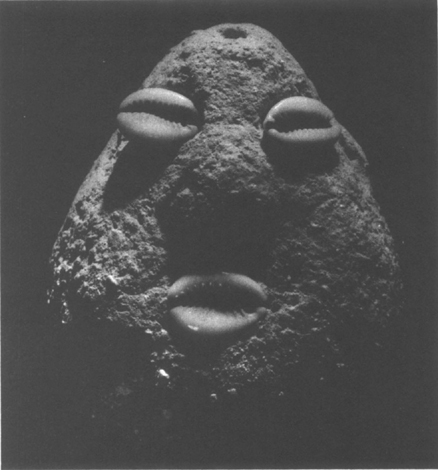
I am drawn to the transatlantic circulation of Black visual vernacular, linked to the Middle Passage, which triangulates West Africa, the Caribbean, and North America, among other sites.
This is pretty vast subject matter.
There are many channels to learn about Black aesthetics–so many cultures, locations, and histories. There's also a lot of blend, transference, and remixing as a result of slavery.
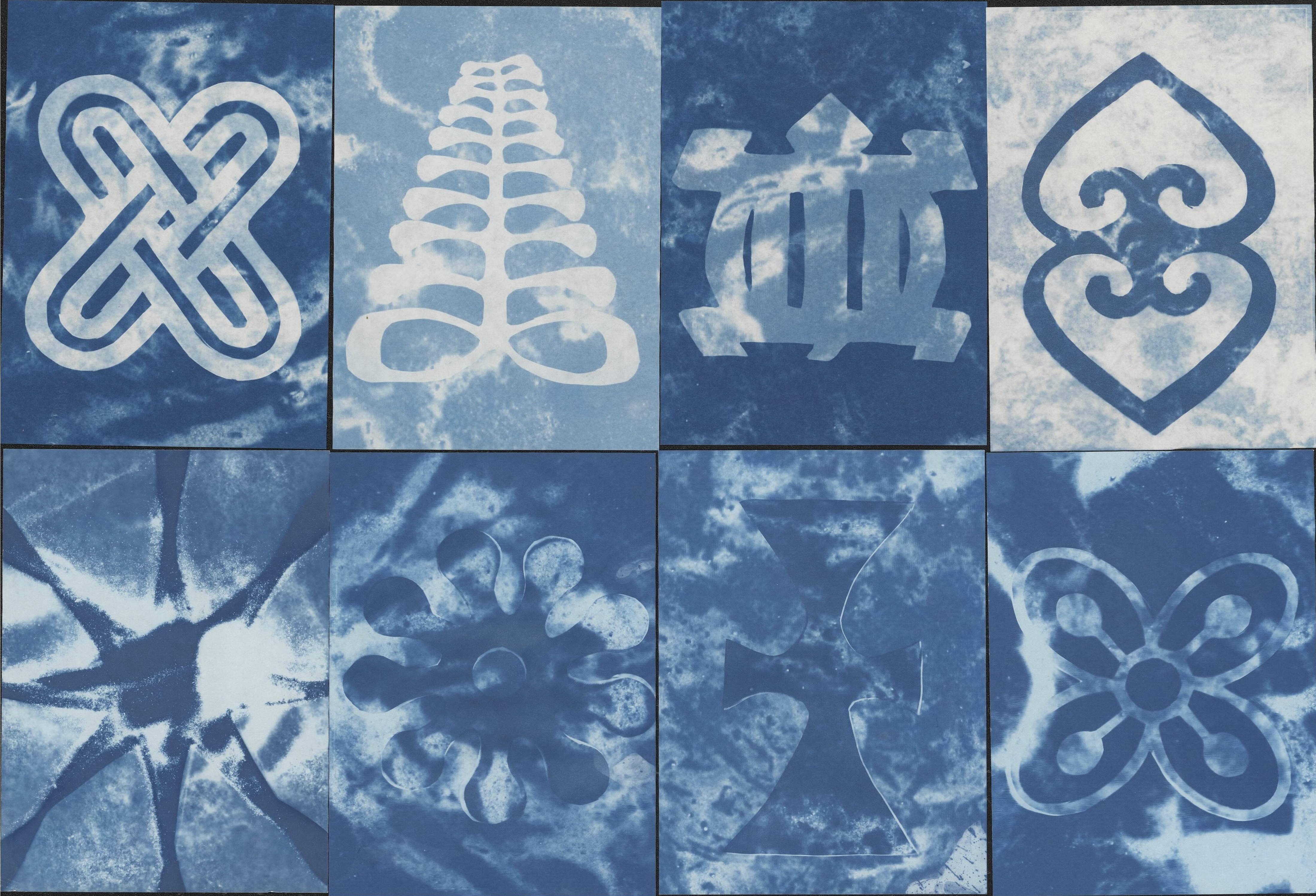
For example, textile and spiritual traditions initially linked to one site can appear in another. I've found this is the case for Adinkra symbols. Created by the Gyaman and Akan people of present-day Ghana and Cote d'Ivoire in the 19th century, these proverbially embedded symbols were first stamped on cloths worn by royalty or for celebrations.They have since been coopted for wide-spread pan-African diasporic use in the U.S.
Historical entrypoints that I have been researching lately include: